
Awareness Changes Everything
What we often call fate is usually something quieter and closer to home: patterns operating just beyond our awareness. This reflection explores how much of life unfolds on autopilot: shaped by inherited beliefs, unexamined fears, and emotional reflexes we never consciously chose. When those forces are brought into awareness, experience begins to shift from repetition to intention, from reaction to clarity. The piece is a gentle invitation to slow down and notice what has been quietly directing your life, and what becomes possible once you do. #SelfAwareness #InnerFreedom #ConsciousLiving #PersonalGrowth #EmotionalIntelligence #Reflection #InnerAlignment
INNER HARMONYFOCUS
1/5/26
Awareness Changes Everything
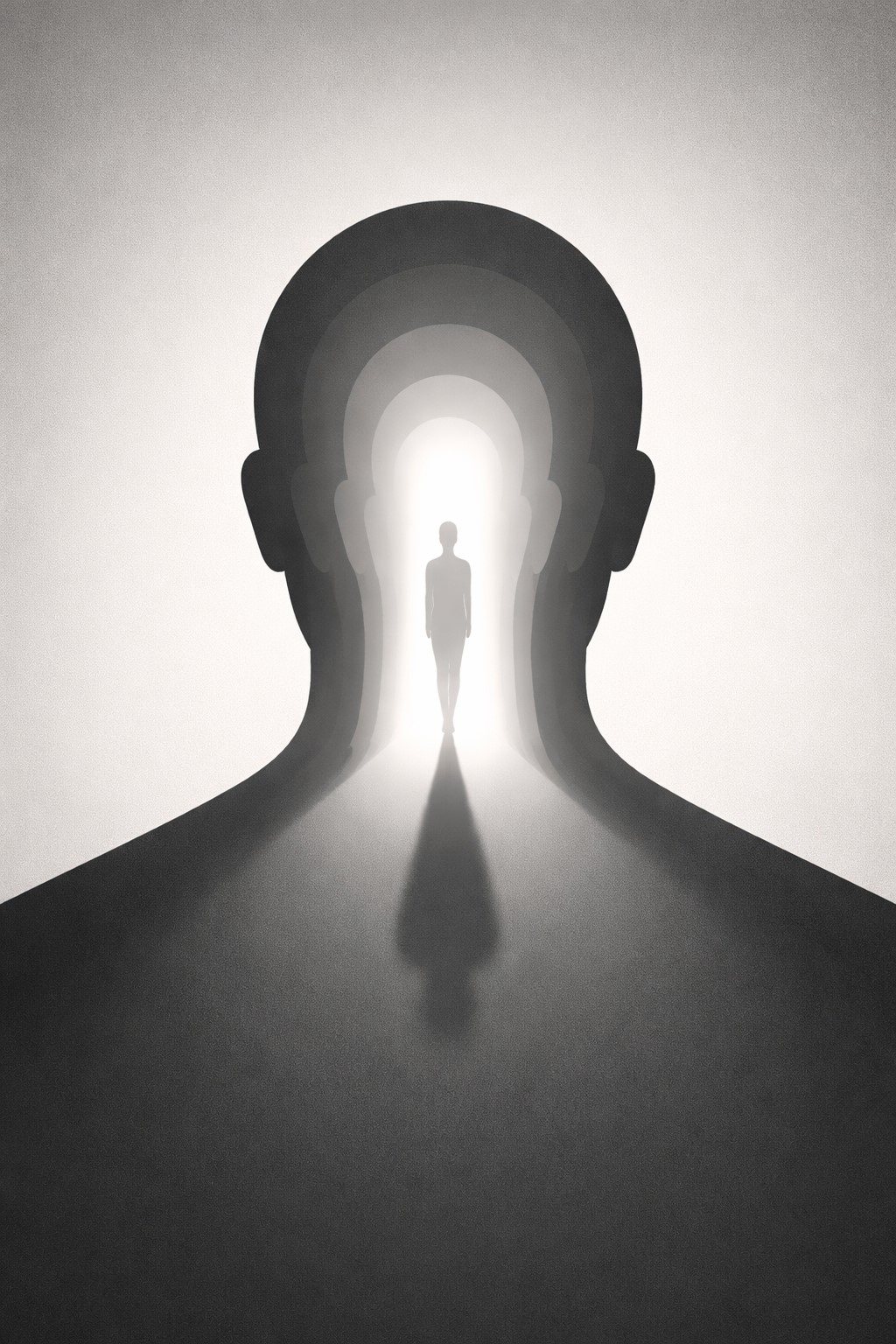
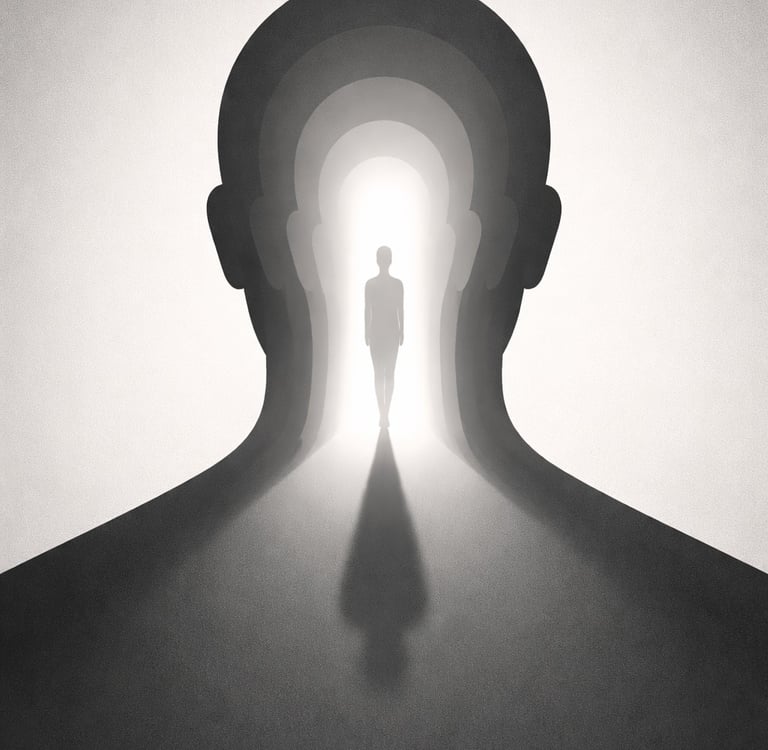
“Until you make the unconscious conscious, it will direct your life and you will call it fate.”
- Carl Jung
There are moments when life feels oddly repetitive. You find yourself having the same conversations, facing the same frustrations, or circling the same decisions, despite your best intentions to grow. It can feel like fate is pushing you along a path that you didn’t choose.
But often, what we call fate is simply a pattern that we haven’t paused long enough to notice.
This week’s reflection is related to last week’s blog on rejuvenation. It is an invitation to slow down, turn inward, and gently ask: What’s really driving my choices right now?
Autopilot
Much of life is lived on autopilot. We react instead of respond. We default to habits, beliefs, and emotional responses formed long before we consciously chose them.
Carl Jung’s insight points to a quiet truth: what remains unconscious doesn’t disappear: it quietly runs the show.
This can show up as:
Repeating the same relationship dynamics
Feeling “stuck” despite external success
Overreacting to situations that seem small on the surface
Sabotaging progress just as momentum builds
None of this means you’re broken. It means you’re human.
The Hidden Current
Imagine you’re in the ocean on a beautiful day in Hawaii. The sun is warm on your face. The water feels inviting, almost effortless as it holds you. You swim out a little from the shore, relaxed and unthinking, enjoying the moment.
At some point, you turn around to head back. The beach looks close enough, just a short swim away. You begin moving toward it, expecting the distance to close quickly. But it doesn’t.
You swim a little harder. Still, the shoreline seems to drift further away.
Confusion sets in. Then frustration. You increase your effort, kicking and pulling with more intensity, convinced that more force is the answer. Yet despite all that effort, you barely make progress. On the surface, the water is calm. Nothing looks wrong. But beneath you, a powerful current is quietly pulling you farther from shore.
This is how unconscious patterns operate in our lives.
When we don’t recognize the current, we assume that the problem is us. We think we’re not trying hard enough, not disciplined enough, not strong enough. So, we push harder. We strain. We exhaust ourselves. And still, we wonder why we’re not getting where we want to go.
But if you realize what’s happening, you stop fighting the water directly. You remember what swimmers are taught: you don’t battle the current head-on. You move sideways, working with awareness instead of force, swimming to escape the power of the hidden current.
That recognition alone changes everything.
Your unconscious beliefs, habits, and emotional responses are like that hidden current. They don’t announce themselves or feel dramatic, yet they quietly shape your direction. Until you recognize them, they can carry you somewhere that you never meant to go. All while you remain convinced it was fate.
Once you notice the current, it loses its ability to silently steer you. You regain choice. You conserve energy. You begin moving with clarity instead of resistance.
Awareness doesn’t demand perfection or instant change. It simply offers orientation. And sometimes, that’s all you need to find your way back to shore.
Awareness Is the Beginning of Freedom
When something becomes conscious, it moves from automatic to intentional.
You begin to see:
Why certain triggers affect you
Where your fears actually come from
Which beliefs are inherited rather than chosen
How old stories shape present decisions
This awareness isn’t heavy or self-critical. Done gently, it’s clarifying and even relieving. You stop blaming fate and start understanding yourself.
And understanding yourself is one of the most empowering experiences there is.
A Few Ways to Begin
Here are a five ways to begin making the unconscious conscious:
Notice emotional spikes
When something triggers a strong reaction, pause and ask, “What is this really about?”Track repeating patterns
Look for themes, not events. Similar outcomes often point to unseen beliefs or habits.Name the story you’re telling yourself
Write it down. Once it’s visible, you can question whether it’s still true.Create space before reacting
Even a few deep breaths can shift you from autopilot into awareness.Be curious, not critical
Awareness grows faster in an atmosphere of understanding than it does in one of judgment.
Small moments of noticing add up. Over time, they change how you move through the world.
Awareness
This week, remember: clarity doesn’t come from forcing change. It comes from seeing clearly. The more honest you are with yourself, the more freedom you gain to choose your actions wisely.
You are not here to be ruled by unseen forces.
You are here to understand yourself, shape your path, and live with intention.
You are here to create your own destiny.
Let this be a week of awareness: quiet, steady, and deeply empowering.
Architect of Synchronicity
Carl Gustav Jung (1875–1961) was a Swiss psychiatrist and psychoanalyst who founded analytical psychology. He is best known for his work on the unconscious mind, archetypes, and the process of individuation: the lifelong journey of becoming one’s true self. Jung believed that bringing unconscious patterns into awareness was essential for personal freedom, a theme that sits at the heart of this reflection: understanding yourself is not just insight, it’s liberation.
Reflect
Empowering you to live your authentic life.
Journey
asaunlimitedsoul@gmail.com
© 2024. All rights reserved.