
Don't Fight the Current
What we pursue often stays out of reach not because we lack effort, but because we are moving against something deeper than circumstance. This piece reflects on the quiet difference between force and alignment, and the cost of spending energy where there is only friction, depletion, and drift. It invites a more honest question than whether we are trying hard enough: whether our direction is helping life open or keeping us locked in resistance. Somewhere in that shift, momentum begins to feel less like struggle and more like truth finding its course. #InnerAlignment #PersonalGrowth #SelfReflection #MeaningfulChange #LifeDirection #ConsciousLiving #EmotionalClarity
ACTIONINNER HARMONYMINDSET
3/9/26
Don’t Fight the Current
“Everything you want is downstream.”
- Gavin de Becker
Some weeks, it feels like you’re pushing a boulder uphill. You feel like you are doing all “the right things,” but everything takes twice the effort. And you feel as if you are making no progress at all.
Maybe what you want or need isn’t locked behind more effort or force. Maybe it’s waiting on the other side of better alignment.
Downstream Doesn’t Mean Easy
When something is downstream, it isn’t magically effortless. It’s just that you are no longer fighting your subconsious, your values, or the reality in front of you. It means taking cues from the Universe and then using those signals to guide you so that your actions are more aligned with your subconscious.
A simple way to tell the difference:
Upstream effort feels like constant friction: you keep proving, pushing, over-explaining, overworking.
Downstream effort still requires discipline, but it feels right. It creates momentum: one choice might unlock a clear next step.
Rowing vs. Steering
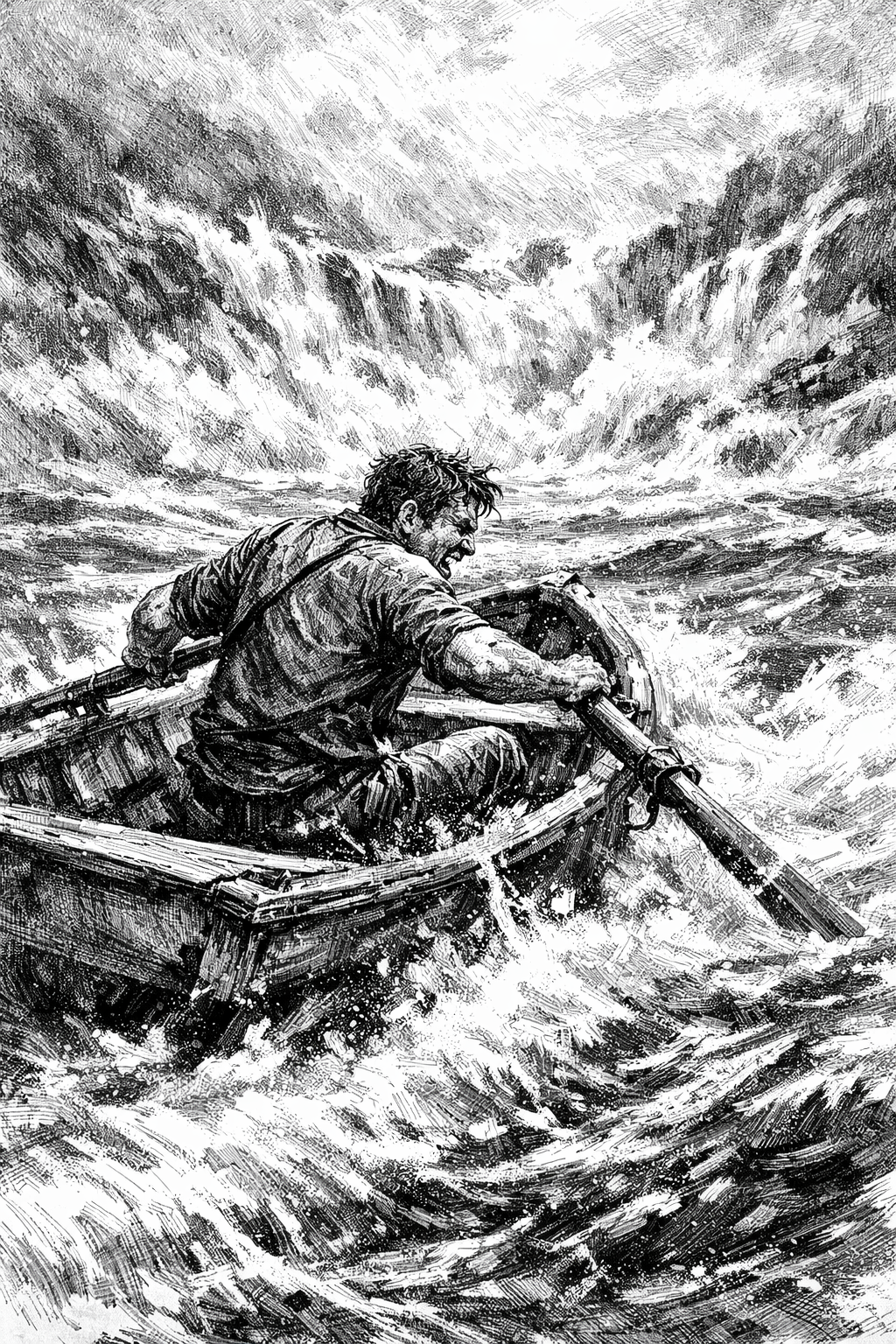
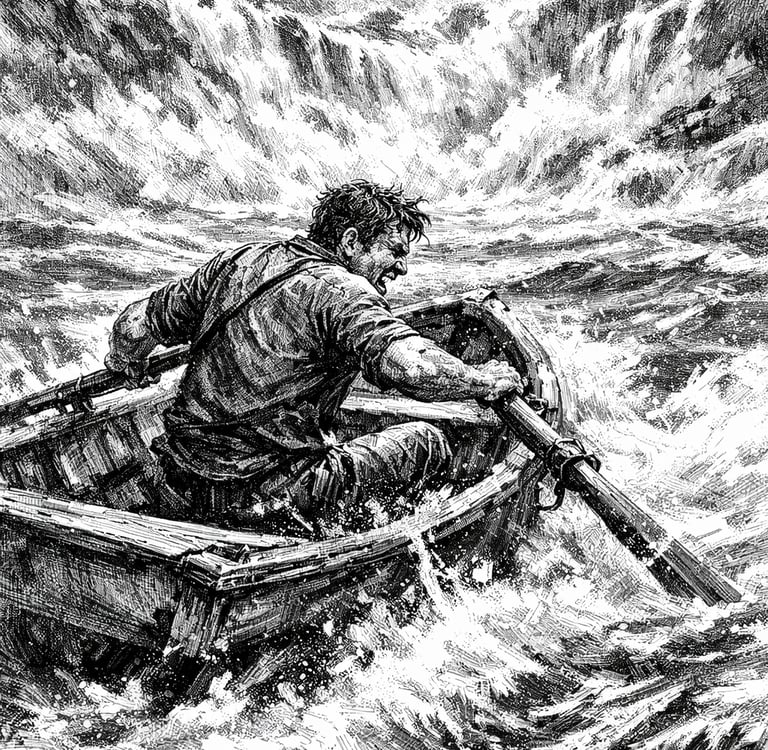
Now, picture life as a river. Some people spend their whole life rowing harder: muscling the water, gritting their teeth, trying to outwork the current. But the river doesn’t care how determined you are.
Steering is different. Steering is:
Choosing the channel that best aligns with helping you make progress
Letting the current help once you’re pointed in the right direction
Stopping the exhausting habit of “earning” what could be built through channeling your efforts in the best way possible
This week, reflect on “What direction am I pointed?” instead of “How do I row harder?”
The Leak
A lot of what keeps people stuck isn’t laziness. It’s leakage. This occurs when you spend a lot of energy on areas in your life that don’t give you an equivalent amount of enjoyment or progress to your goals.
Common leaks look like this:
Working for approval instead of working for meaning
Staying in situations that never change
Negotiating with your own boundaries
Over-committing, then resenting everyone (including yourself)
Downstream living starts when you stop paying for things that don’t pay you back.
What you want is usually connected to a handful of powerful decisions that you’ve delayed because they feel uncomfortable:
The call you don’t want to make
The “no” you keep softening
The habit you keep excusing
5 Practical Tips:
Name the “upstream” thing you’re forcing.
Finish this sentence: “I’m spending a lot of energy trying to make ______ work.”Ask: “Is this friction temporary - or structural?”
Temporary friction is learning. Structural friction is misalignment (values, fit, timing, trust).Choose one small downstream action.
Not a life overhaul but a clear step: a boundary, a schedule change, a conversation, a cut.Trade intensity for consistency.
Pick a pace you can repeat. Downstream momentum is built through rhythm, not emotional surges.Look for relief that comes with responsibility.
The right choice often feels like both: “This is hard” and “I can breathe again.”
Your Path
If you’ve been tired lately, it might be because you’ve been rowing against something that isn’t the right path for you. This week, try objectively looking at why you are doing the things that you are doing. Pay special attention to those areas in your life that seem especially difficult, the ones that give you no return for your efforts. Strive to find a harmony between your actions and your inner desires. And begin to trust your instincts. They are telling you something. They are telling you how to find your way downstream. They are telling you how to find your way home.
The Author
Gavin de Becker (1954–present) is an American security specialist and bestselling author known for his work on threat assessment and violence prevention, especially through his book The Gift of Fear and his firm Gavin de Becker & Associates. His core message, trust what you know before you can explain It, fits this quote: when you stop forcing what doesn’t fit and start listening to reality, you naturally move “downstream” into choices that create cleaner outcomes.
Reflect
Empowering you to live your authentic life.
Journey
asaunlimitedsoul@gmail.com
© 2024. All rights reserved.